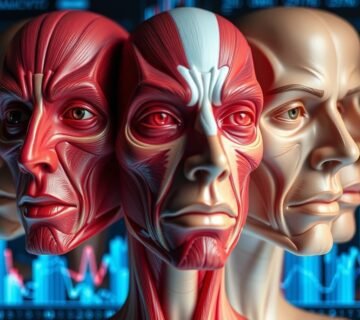
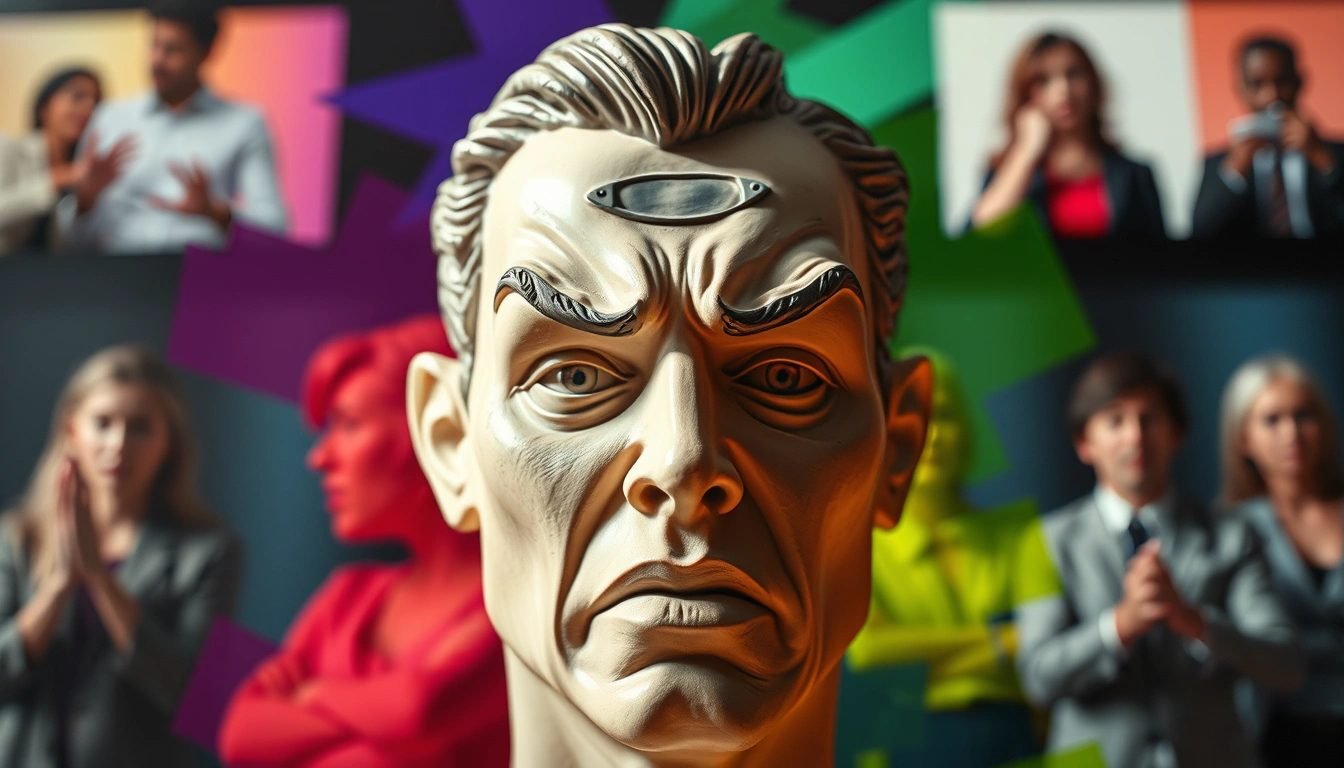
Yanak bölgesindeki gerginlik, çoğu zaman göz ardı edilen bir konudur. Ancak, bu gerginlik duygusal tepkilerimizi ve davranış profillerimizi derinden etkileyebilir. Düşünsenize, yüzümüzün bu bölgesi, duygularımızı ifade etmenin en önemli yollarından biridir. Gergin bir çehre, genellikle stres ve kaygı ile ilişkilendirilir. Peki, bu durum sosyal etkileşimlerimizi nasıl etkiler? Yüz okuma ve profil tanımlama gibi teknikler, bu gerginliğin arkasındaki duygusal durumu anlamamıza yardımcı olabilir.
Yüz okuma uzmanları, gerginliğin yüz ifadeleri üzerindeki etkilerini analiz ederek, insanların ruh hallerini ve davranışlarını daha iyi anlamamıza olanak tanır. Fizyonomi ve fizyognomi gibi alanlar, yüz hatlarının ve ifadelerinin arkasındaki derin anlamları araştırır. Örneğin, gergin bir yüz ifadesi, kişinin içsel bir çatışma yaşadığını gösterebilir. Bu tür analizler, kişisel ilişkilerde daha sağlıklı iletişim kurmamıza yardımcı olabilir.
Gerginliğin psikolojik etkileri oldukça derindir. Aşırı gerginlik, sosyal etkileşimlerde yanlış anlamalara yol açabilir. Eğer birisi gergin görünüyorsa, karşı taraf bu durumu yanlış yorumlayabilir. Bu da, iletişimde kopukluklara neden olabilir. Profil tanımlama uzmanları, bu tür durumları analiz ederek, bu yanlış anlamaları gidermeye çalışır. Böylece insanlar arasındaki bağlar güçlenir ve duygusal bağlantılar artar.
Bu gerginliği yönetmek için bazı stratejiler geliştirmek mümkündür. Rahatlama teknikleri, mindfulness uygulamaları ve yüz analizi eğitimi, bu gerginliği azaltmada etkili olabilir. Profil tanımlama ve yüz okuma eğitimleri, bireylerin kendilerini daha iyi anlamalarına ve sosyal ilişkilerini geliştirmelerine yardımcı olabilir.
Sonuç olarak, yanak bölgesindeki gerginlik, yalnızca fiziksel bir durum değil, aynı zamanda duygusal ve sosyal etkileşimlerde önemli bir rol oynayan bir faktördür. Bu gerginliği anlamak ve yönetmek, hem kişisel hem de sosyal yaşamımızda büyük farklar yaratabilir.
Gerginliğin Psikolojik Etkileri
Tension in the cheek area can have profound psychological effects on individuals. When we experience stress or anxiety, our facial muscles often tighten. This tension can lead to a range of emotional responses. Have you ever noticed how your mood shifts when your face feels tight? It’s not just in your head; it’s a real physical reaction.
Understanding these effects is crucial for anyone interested in yüz okuma and emotional well-being. When we feel tension, our stress levels rise. This can lead to behavioral changes that impact our social interactions. For example, a person who is tense may appear more closed off, making it difficult for others to connect.
Here are some common psychological effects of tension in the cheek area:
- Increased irritability
- Difficulty in expressing emotions
- Heightened anxiety levels
These symptoms can create a cycle of stress, further tightening the facial muscles. It’s essential to recognize this pattern. By doing so, we can take steps to alleviate tension and improve our emotional state.
The role of a profil tanımlama uzmanı can be invaluable here. They can help identify these signs of tension and guide individuals towards better emotional management. Techniques such as mindfulness and relaxation exercises can be effective in reducing this tension.
In conclusion, recognizing the psychological effects of tension in the cheek area is vital for improving interpersonal relationships. By understanding how our emotions manifest physically, we can better navigate our social environments. So next time you feel that tightness, take a moment to breathe and relax. It might just change your day.
Fizyolojik Tepkiler ve Davranış
The tension in the cheek area can lead to significant physiological responses that shape our behavior. When we experience stress or anxiety, the muscles in our cheeks may tighten. This physical reaction isn’t just a minor annoyance; it can influence how we communicate and interact with others. Think about it. Have you ever noticed how your facial expressions change when you’re nervous? That slight clenching can make you appear less approachable, even if that’s not your intention.
Facial expressions are a key part of non-verbal communication. They convey emotions and intentions without saying a word. When someone’s cheeks are tense, it can signal discomfort or unease. This might lead to misunderstandings in conversations. For instance, a friend might misinterpret your expression as anger when you’re actually just feeling a bit stressed. This is where the art of yüz okuma comes into play. Understanding these subtle cues can enhance our interpersonal relationships.
Let’s break it down further. Here are some common physiological responses related to cheek tension:
- Muscle Tightness: This can restrict the range of facial expressions.
- Altered Speech Patterns: People may speak more quickly or hesitantly.
- Reduced Eye Contact: Tension can divert focus from the eyes, which are crucial for connection.
These responses can impact our behavior significantly. For example, when we’re anxious, we might avoid eye contact, making us seem disinterested or unfriendly. On the flip side, relaxed cheeks can lead to more open and engaging interactions. It’s fascinating how much our physical state affects our social dynamics!
To enhance your understanding of these behaviors, consider exploring profil tanımlama techniques. Learning about fizyonomi can provide insights into how our facial muscles communicate our emotional states. Whether you’re a fizyognomist or just someone curious about human interactions, recognizing these physiological signals can improve your social skills and emotional intelligence.
In conclusion, the interplay between physiological responses in the cheek area and behavior is crucial. By becoming more aware of how tension affects our expressions and interactions, we can foster better relationships and improve our emotional well-being.
İletişimdeki Rolü
Tension in the cheek area can significantly alter how we communicate. Have you ever noticed how a simple smile can change the mood of a conversation? When there is tension in the cheeks, it can lead to misinterpretations in social interactions. This is because our facial expressions are key to conveying emotions. When we are relaxed, our faces are more open and inviting. But when tension creeps in, our expressions can become tight and closed off, making it hard for others to read us accurately.
This is where the art of yüz okuma comes into play. A trained fizyonomi uzmanı can help us understand these subtle cues. They can teach us how to recognize the signs of tension and what they might mean in a given context. For instance, if someone’s cheeks are tense, it might indicate stress or discomfort. This can lead to misunderstandings, especially in high-stakes situations like job interviews or negotiations.
Moreover, our body language is deeply intertwined with our facial expressions. When we feel tension, our body may react in ways that can be misread. Think about it: if you’re nervous, you might cross your arms or avoid eye contact. This can send mixed signals to the person you’re communicating with. They might think you’re uninterested or defensive, which could not be further from the truth.
To improve communication, it’s essential to manage this tension effectively. Techniques like mindfulness and relaxation exercises can be beneficial. Here are a few strategies to consider:
- Practice deep breathing to relax facial muscles.
- Engage in regular facial exercises to reduce tension.
- Consider professional training in profil tanımlama to enhance your understanding of non-verbal cues.
In conclusion, understanding the role of cheek tension in communication can lead to better interpersonal relationships. By recognizing the signs and managing them, we can enhance our emotional connections with others. Remember, effective communication is not just about words; it’s also about how we express ourselves through our faces and bodies.
Gerginliğin Yönetimi ve Çözümleri
Gerginliğin yönetimi, hem psikolojik hem de fizyolojik olarak sağlığımızı etkileyen önemli bir konudur. Özellikle yüz okuma ve profil tanımlama gibi teknikler, bu gerginliği anlamada ve yönetmede büyük bir rol oynar. Yüz okuma uzmanı, kişinin yüz ifadelerinden duygusal durumunu çözümleyebilir. Bu, sosyal ilişkilerimizi güçlendirmek için kritik bir adımdır.
Gerginliği azaltmanın en etkili yollarından biri, gevşeme teknikleri uygulamaktır. Bu teknikler, yüz kaslarını rahatlatır ve genel bir huzur hissi yaratır. İşte bazı yöntemler:
- Nefes egzersizleri: Derin nefes almak, vücudumuzun rahatlamasına yardımcı olur.
- Yüz masajı: Yüz kaslarını yumuşatmak için yapılan masajlar, gerginliği azaltabilir.
- Mindfulness: Anı yaşamak, stres seviyelerini düşürür.
Bu tekniklerin yanı sıra, profesyonel destek almak da önemlidir. Profil tanımlama uzmanı ile çalışmak, gerginliğinizi anlamanıza ve yönetmenize yardımcı olabilir. Gerginliğinizi kontrol altına almak, sadece ruh halinizi değil, aynı zamanda sosyal ilişkilerinizi de olumlu yönde etkiler.
Sonuç olarak, gerginliği yönetmek, kişisel gelişim için bir yolculuktur. Yüz analizi eğitimi almak, bu yolculukta size rehberlik edebilir. Unutmayın, gerginlik sadece fiziksel bir durum değil, aynı zamanda duygusal bir deneyimdir. Bu nedenle, hem fizyonomi hem de psikolojik yaklaşımlar, gerginliğinizi anlamak ve yönetmek için kritik öneme sahiptir.