
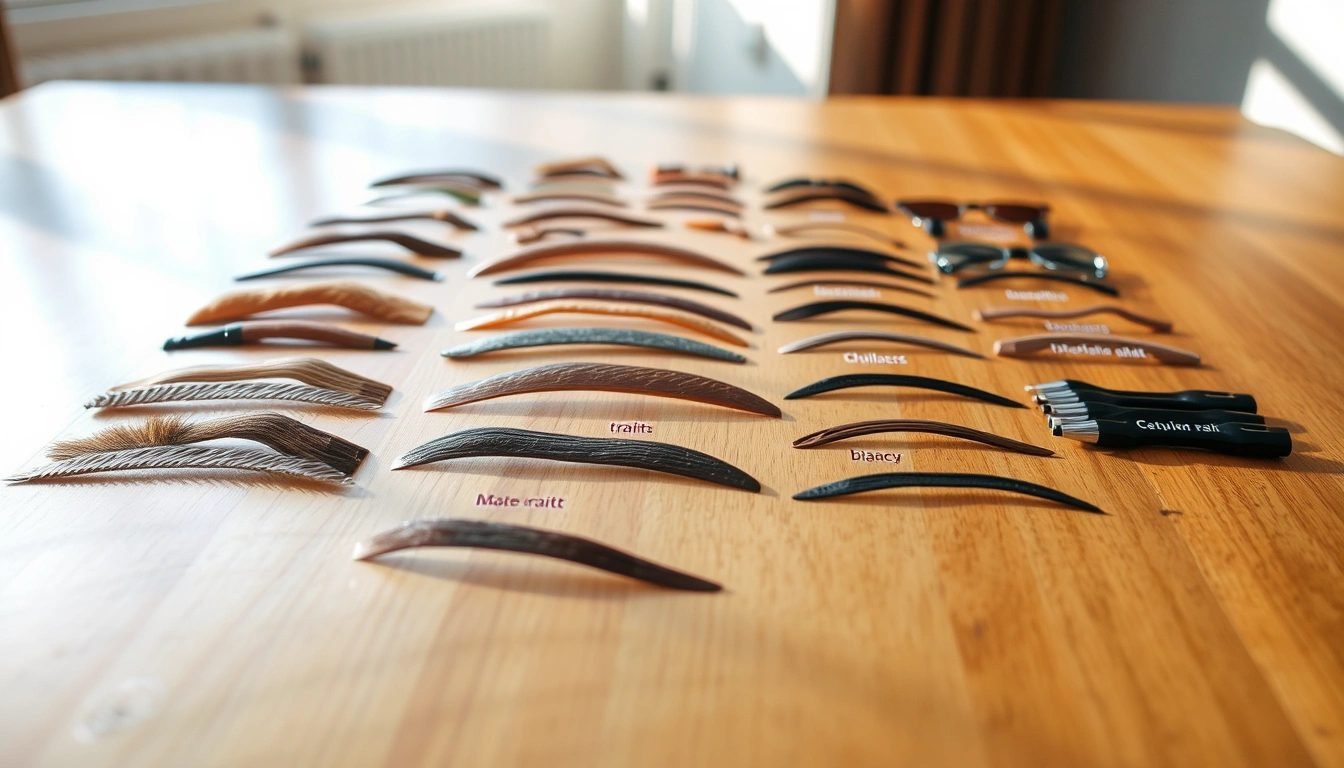
İnsanların yüz ifadeleri, sosyal etkileşimlerde önemli bir rol oynar. Özellikle kaşların konumu, ilk izlenimlerde belirleyici bir faktördür. Kaşlar, duygularımızı ve kişiliğimizi yansıtan birer ayna gibidir. Peki, bu durum neden bu kadar önemli? Çünkü kaşların şekli ve yerleşimi, başkalarının bizim hakkımızda düşündüklerini etkileyebilir. Bu yazıda, kaşların konumunun önyargı eğilimleri üzerindeki etkisini keşfedeceğiz.
Kaşların konumu, yüz okuma ve profil tanımlama gibi alanlarda kritik bir unsurdur. Örneğin, yüksek ve kavisli kaşlar genellikle sevimlilik ve sıcaklık hissi uyandırır. Düşük ve düz kaşlar ise ciddiyet ve mesafeli bir tutum sergileyebilir. Bu tür algılar, insanların birbirleriyle olan etkileşimlerini şekillendirir. Eğer birisiyle tanıştığınızda, kaşlarının şekli ve konumu, onun hakkında hemen bazı yargılara varmanıza yol açabilir. Bu, yüz okuma ve fizyonomi uzmanlarının da sıklıkla vurguladığı bir gerçektir.
Birçok kültürde kaşların anlamı değişiklik gösterebilir. Örneğin, bazı toplumlarda kalın kaşlar güç ve otoriteyi simgelerken, diğerlerinde nazik ve ince kaşlar zarafeti temsil edebilir. Bu durum, profil tanımlama ve yüz analizi eğitimlerinde önemli bir konu olarak karşımıza çıkmaktadır. Bu bağlamda, kaşların konumunun nasıl algılandığını anlamak, toplumsal normlara karşı duyarlı olmayı sağlar.
Önyargıların üstesinden gelmek için, kaşların konumuna dayalı yargılara dikkat etmek gerekir. İnsanların dış görünüşlerine göre yargıda bulunmak, çoğu zaman yanıltıcı olabilir. Bu nedenle, fizyonomi alanında eğitim almak, bu tür önyargıları azaltmak adına önemli bir adım olabilir. Unutmayın, yüz okuma eğitimi almak, sadece başkalarını anlamak için değil, aynı zamanda kendinizi daha iyi ifade edebilmek için de faydalıdır.
Eyebrow Positioning and First Impressions
When you meet someone for the first time, what do you notice? Their smile? Their eyes? But have you ever stopped to think about the eyebrows? Yes, those little arches above the eyes can say a lot. In fact, eyebrow positioning plays a crucial role in shaping first impressions. It’s fascinating how something so small can have such a big impact on how we perceive others.
Think about it. A person with highly arched eyebrows might come off as more approachable or friendly. On the flip side, someone with flat or straight eyebrows might be perceived as serious or even unapproachable. This is where the art of yüz okuma comes into play. A yüz okuma uzmanı can help decode these subtle cues. They can identify how eyebrow shapes can alter perceptions of personality traits and emotions.
Here are a few eyebrow shapes and the impressions they might create:
- Arched Eyebrows: Often associated with surprise or excitement.
- Straight Eyebrows: Can convey calmness or seriousness.
- Rounded Eyebrows: Typically seen as friendly and approachable.
These differences can influence how we interact with others. For instance, if you see someone with a strong brow, you might think they are confident. But, if their eyebrows are soft and rounded, you might feel they are more nurturing. It’s all about the signals we pick up without even realizing it.
Moreover, the significance of eyebrow positioning can vary across cultures. What might be considered attractive in one culture could be perceived differently in another. This is where understanding profil tanımlama becomes essential. By recognizing these variations, we can better appreciate the diverse meanings associated with eyebrow shapes.
In conclusion, the next time you meet someone, take a moment to observe their eyebrows. You might just uncover a whole new layer of understanding in your interactions. After all, first impressions matter, and eyebrows play a surprisingly significant role in that equation.
Psychological Impact of Eyebrow Shapes
The shape and positioning of eyebrows can do more than just frame our faces; they can influence how we perceive others and how others perceive us. Think about it: when you see someone with arched eyebrows, what comes to mind? Often, people associate them with being approachable or even trustworthy. On the flip side, flat or straight eyebrows might give off a vibe of sternness or disinterest. This isn’t just a coincidence; it’s rooted in psychology.
Research shows that our brains are wired to make quick judgments based on facial features. Eyebrows, being one of the most expressive parts of the face, play a crucial role in this process. They can communicate a range of emotions, from surprise to anger. For instance, when someone raises their eyebrows, it often indicates surprise or excitement. But those who have a furrowed brow? That’s usually a sign of concern or confusion. This is where the concept of yüz okuma comes into play. Understanding these subtle cues can enhance our interpersonal interactions.
Moreover, specific eyebrow shapes can lead to unconscious biases. Studies have shown that people may judge others based on their eyebrow shapes, associating certain styles with personality traits. For example:
- Rounded eyebrows: Often perceived as friendly and approachable.
- Angular eyebrows: Frequently associated with confidence and assertiveness.
- Thin eyebrows: Sometimes linked to perceptions of fragility or delicacy.
These perceptions can significantly affect social dynamics. When someone walks into a room with well-groomed, expressive eyebrows, they might be more readily accepted or trusted. This is particularly important in professional settings. Imagine going for a job interview: your appearance, including your eyebrow shape, can influence the interviewer’s perception of your capability and confidence. This highlights the importance of profil tanımlama in various social contexts.
In conclusion, the psychological impact of eyebrow shapes is profound. They can shape first impressions and influence social interactions in ways we might not even realize. By understanding these dynamics, we can work towards minimizing biases and fostering more inclusive environments.
Cultural Variations in Eyebrow Perception
Understanding how eyebrow positioning varies across cultures can be quite fascinating. Different societies attribute distinct meanings to eyebrow shapes and placements, which can shape perceptions in profound ways. For instance, in some cultures, thick eyebrows are seen as a sign of strength and determination. In contrast, others may view them as aggressive or unapproachable. This illustrates how cultural backgrounds influence our interpretations of facial features, including eyebrows.
In many Western cultures, well-groomed and arched eyebrows are often associated with femininity and beauty. Women frequently spend time shaping their brows to meet these beauty standards. On the other hand, in certain Middle Eastern cultures, a unibrow is considered a sign of beauty and is celebrated rather than frowned upon. This stark contrast shows how societal norms can significantly impact our views on what is attractive.
Moreover, the practice of yüz okuma or facial reading is gaining traction in various cultures. Experts in this field, known as fizyonomi uzmanı, analyze facial features to interpret personality traits. Eyebrows play a crucial role in this analysis. A slight tilt or arch can convey emotions such as happiness, sadness, or anger. Therefore, understanding these cultural variations can enhance our interactions with others.
To illustrate some of these differences, consider the following table that summarizes eyebrow perceptions across different cultures:
| Cultural Group | Eyebrow Perception |
|---|---|
| Western Cultures | Well-groomed, arched eyebrows signify beauty and femininity. |
| Middle Eastern Cultures | A unibrow is often celebrated as a sign of beauty. |
| East Asian Cultures | Straight, natural brows are preferred, symbolizing innocence. |
In conclusion, eyebrow shapes carry different meanings across cultures. This can lead to misinterpretations and biases. As we navigate through our diverse world, recognizing these differences is essential. It helps us appreciate the beauty in our variations and promotes inclusivity. By understanding the cultural context of eyebrow positioning, we can foster better communication and relationships.
Combating Biases Related to Eyebrow Features
When we talk about eyebrow features, we often overlook how they shape our perceptions. It’s fascinating, isn’t it? Just think about it. A slight arch or a straight line can change how we view someone’s character. This is where profil tanımlama comes into play. Understanding these biases is essential. We must recognize that our first impressions can be misleading.
To combat these biases, we need to educate ourselves. Awareness is the first step. Here are a few strategies that can help:
- Engage in Self-Reflection: Ask yourself, “Am I judging someone based on their eyebrows?” This simple question can change your perspective.
- Learn About Facial Analysis: Training in yüz okuma can help you understand the nuances of facial features.
- Promote Inclusivity: Encourage conversations about beauty standards. Share stories that challenge stereotypes.
It’s crucial to remember that everyone has unique features. Embracing diversity is key. By recognizing our biases, we can foster a more inclusive environment. As we learn more about fizyonomi and its impact, we can reshape how society views beauty. The goal is not just to accept differences but to celebrate them.
Moreover, media representation plays a significant role. If we see diverse eyebrow shapes in films and advertisements, it normalizes these features. This is where fizyognomi comes into focus. By advocating for varied representations, we can challenge the stereotypes that lead to biases.
In conclusion, combating biases related to eyebrow features requires effort. It starts with awareness and continues with education. By understanding the psychological impact of eyebrow shapes, we can change how we perceive others. Let’s work together to create a world where everyone feels valued, regardless of their facial features.