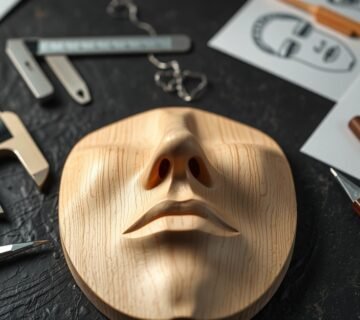

Çene hattı, yüzümüzün en belirgin ve etkileyici özelliklerinden biridir. Yüz okuma ve profil tanımlama gibi alanlarda, çene hattının yapısı büyük bir öneme sahiptir. Bu yapı, sadece estetik değil, aynı zamanda sağlık açısından da önemli ipuçları verir. Peki, çene hattının yapısı nasıl yorumlanmalı? İşte burada, yüz okuma uzmanları ve profil tanımlama uzmanları devreye giriyor.
Çene hattının yapısı, birçok faktöre bağlı olarak değişir ve bu değişiklikler, çeşitli tehlikeli eğilimlerin habercisi olabilir. Örneğin, belirli bir çene şekli, diş sağlığı sorunlarına veya çiğneme bozukluklarına işaret edebilir. Bu nedenle, fizyonomi alanında eğitim almış bir uzman, çene hattını değerlendirerek potansiyel sağlık sorunlarını tespit edebilir. Fizyonomi, yüz hatlarının ve ifadelerinin insan karakteri ve ruh hali ile bağlantısını inceler. Bu bilgi, bireylerin kendilerini daha iyi anlamalarına yardımcı olabilir.
Bir çene hattının estetik standartları, kültürel ve dönemsel değişiklikler gösterir. Örneğin, bazı toplumlarda keskin çene hatları tercih edilirken, diğerlerinde daha yuvarlak hatlar öne çıkabilir. Bu durum, yüz analizi eğitimi alanında bilgi sahibi olanların dikkat etmesi gereken bir konudur. Aşağıda, farklı çene şekillerinin genel estetik algıları üzerindeki etkilerini gösteren bir tablo bulabilirsiniz:
| Çene Şekli | Estetik Algı |
|---|---|
| Kare Çene | Güçlü ve kararlı |
| Yuvarlak Çene | Yumuşak ve dostça |
| Uzun Çene | Asil ve zarif |
Sonuç olarak, çene hattının yapısı ve bu yapının tehlikeli eğilimleri yorumlama teknikleri, hem sağlık hem de estetik açısından önemli bir konudur. Bu alanda daha fazla bilgi edinmek için fizyognomi uzmanları ile iletişime geçebilirsiniz. Unutmayın, yüz hatlarınız sadece dış görünümünüzü değil, aynı zamanda içsel sağlığınızı da yansıtır.
Jawline Anatomy and Its Importance
Understanding the anatomy of the jawline is crucial for many reasons. It plays a significant role in facial aesthetics and can impact overall health outcomes. A well-defined jawline can enhance one’s appearance, while irregularities might signal underlying health issues. For instance, a pronounced jawline often signifies strength and confidence, while a softer jawline may convey a more approachable demeanor.
The jawline comprises several key components, including the mandible, chin, and the surrounding soft tissues. Each of these elements contributes to the overall shape and function of the face. Here are some important aspects to consider:
- Mandible: The lower jawbone is the primary structure that defines the jawline.
- Chin: The prominence of the chin can greatly affect facial balance.
- Soft Tissues: The muscles and fat around the jawline influence its definition and appearance.
In fields like cosmetic surgery and orthodontics, understanding jawline anatomy is essential. Surgeons and specialists often rely on this knowledge to create harmonious facial structures. They assess how the jawline interacts with other facial features. This understanding can lead to better patient outcomes and satisfaction.
Moreover, the jawline is not just about looks. It can also reflect health status. For example, certain jawline shapes may indicate dental problems or jaw disorders. This makes it essential for professionals to analyze these characteristics carefully. In the realm of fizyonomi (physiognomy), experts study facial features to interpret personality traits and emotional states. This intersection of aesthetics and health highlights the jawline’s significance in various fields.
In conclusion, grasping the anatomy of the jawline is vital. It influences not only how we perceive beauty but also our health. Whether you’re looking into yüz okuma eğitimi (facial reading training) or profil tanımlama eğitimi (profile identification training), understanding jawline anatomy is a foundational step that can enhance your skills and insights.
Identifying Dangerous Trends
When it comes to understanding jawlines, yüz okuma (facial reading) is a vital tool. It helps us identify potential risks associated with jawline structures. A well-defined jawline can enhance beauty, but certain shapes can signal underlying issues. Have you ever noticed how some jawlines look more angular while others appear softer? Each shape tells a story.
As a profil tanımlama uzmanı (profile identification expert), I often observe how jawline shapes correlate with health concerns. For instance, a receding jawline may indicate dental problems. On the other hand, a very prominent jawline could suggest jaw disorders. Recognizing these patterns is essential for both health and aesthetics.
Here are a few trends to watch out for:
- Square Jawlines: Often associated with strength but can indicate tension or stress.
- Pointed Jawlines: May suggest a more delicate appearance, but can also reflect anxiety.
- Round Jawlines: Commonly linked to youthfulness, yet might relate to weight issues.
Understanding these shapes can help us interpret the psychological effects they have on individuals. People often feel judged based on their jawlines, affecting their self-esteem and social interactions. As a fizyonomi uzmanı (physiognomy expert), I emphasize the importance of recognizing these trends.
Moreover, the cosmetic industry often capitalizes on these trends. Many individuals seek procedures to alter their jawlines, hoping to achieve a more desirable look. But it’s crucial to approach these changes carefully. Understanding the implications of jawline shapes can lead to informed decisions. If you’re considering cosmetic enhancements, consulting a fizyognomist can provide valuable insights.
In conclusion, identifying dangerous trends in jawline structures is not just about aesthetics. It’s about understanding health implications and psychological effects. By paying attention to these characteristics, we can better navigate the complex world of facial features. For those interested in deepening their knowledge, yüz okuma eğitimi can be an excellent resource.
Health Implications of Jawline Shapes
When we talk about jawline shapes, we aren’t just discussing aesthetics. There are real health implications tied to how our jawlines look. Each jawline shape can tell a story about our overall health. For instance, a square jawline might indicate strong muscle development, but it could also signal potential issues like bruxism (teeth grinding). On the other hand, a weak or receding jawline could hint at dental problems or even nutritional deficiencies.
It’s fascinating how something as simple as the shape of our jaw can reveal so much. For example, certain jawline characteristics are linked to specific health conditions such as:
- Dental misalignments
- Jaw disorders like TMJ (Temporomandibular Joint Disorders)
- Respiratory issues related to airway obstruction
Understanding these connections is vital. As a yüz okuma expert, I often analyze jawlines during consultations. It’s amazing how a simple visual assessment can lead to significant health insights. A well-defined jawline might be seen as attractive, but if it comes with underlying health issues, it’s essential to address those first.
Moreover, there’s a growing interest in the field of profil tanımlama and facial analysis. Professionals in this area, like physiognomists, use their skills to interpret these shapes. They can help individuals understand how their jawline may affect their health and self-esteem.
In conclusion, the implications of jawline shapes extend beyond mere aesthetics. They can be indicators of health conditions that need attention. So, the next time you look in the mirror, consider what your jawline might be saying about you. Are you ready to dive deeper into this fascinating subject?
Cosmetic Considerations
When it comes to cosmetic procedures, understanding the jawline’s structure is essential. Why? Because a well-defined jawline can enhance facial aesthetics significantly. Many people seek treatments to achieve that sculpted look. But it’s not just about beauty; it’s also about how we perceive ourselves. A strong jawline can boost confidence and improve social interactions. In fact, it’s fascinating how the shape of our jaw can influence our self-image.
Now, let’s talk about yüz okuma and its role in this context. A trained yüz okuma uzmanı can analyze facial features, including the jawline, to provide insights into personality traits and emotional states. This practice is not just about aesthetics; it also dives deep into the psychological effects of facial structures. For instance, if someone feels insecure about their jawline, it might affect their interactions. Understanding these dynamics is crucial for anyone considering aesthetic enhancements.
Moreover, the cosmetic industry often pushes specific trends. People may feel pressured to conform to these ideals. But it’s essential to remember that beauty standards vary across cultures. What’s considered attractive in one society might not be the same in another. Therefore, before undergoing any procedure, individuals should evaluate their motivations. Are they doing it for themselves or to fit in?
In addition, the rise of social media has amplified these trends. Images of celebrities with perfect jawlines flood our feeds, creating unrealistic expectations. This can lead to dissatisfaction with one’s appearance. A profil tanımlama uzmanı can help navigate these pressures by providing a personalized approach to beauty. They can assist in identifying what truly enhances an individual’s features rather than what simply follows the latest trends.
In conclusion, while cosmetic considerations regarding the jawline are essential, they should be approached with care. Understanding the implications of jawline shapes can lead to better decisions. After all, beauty is subjective, and what matters most is how you feel about yourself.
Psychological Effects
The shape of your jawline can say a lot about you. It’s not just about looks; it’s about how you feel. People often judge others based on their facial features. This includes the jawline. Have you ever noticed how a strong jawline can give off an air of confidence? Conversely, a softer jawline might be perceived as less assertive. These perceptions can affect self-esteem and how we interact with others.
Many people might not realize it, but the concept of yüz okuma plays a significant role in our daily lives. When we see someone, our brains quickly analyze their features. This includes the jawline. A well-defined jawline can lead to positive judgments, while an undefined one might lead to negative thoughts. It’s fascinating, isn’t it? How much our perception can influence our feelings?
Moreover, the psychological effects of jawline shapes extend beyond first impressions. Research indicates that individuals with certain jawline characteristics often report different levels of confidence and social engagement. For instance, those with more prominent jawlines may feel more secure in social situations. This can lead to:
- Increased confidence in public speaking
- Better networking opportunities
- Enhanced social interactions
On the flip side, individuals who feel self-conscious about their jawline may experience anxiety in social settings. They might avoid situations where they feel they will be judged. This can lead to a cycle of low self-esteem and isolation. It’s crucial to understand these psychological impacts, especially for those considering aesthetic changes.
Additionally, if you’re interested in diving deeper into this topic, consider exploring profil tanımlama techniques. Understanding how others perceive you can be enlightening. It can help you navigate social landscapes with more confidence. Remember, your jawline isn’t just a feature; it’s a part of your story.
Evaluating Aesthetic Standards
When we talk about jawlines, we often think about beauty. But what does beauty really mean? Aesthetic standards for jawlines can vary widely across different cultures and eras. For instance, in some cultures, a strong jawline is a sign of masculinity, while in others, a softer jawline may be preferred. It’s fascinating how these perceptions shape our views on attractiveness.
To truly understand these standards, we need to look at the art of yüz okuma and its role in evaluating facial features. A yüz okuma uzmanı can provide insights into how jawline shapes affect our social interactions and self-esteem. They analyze not just the jawline but the entire face, interpreting expressions and features that contribute to our perception of beauty.
Moreover, the concept of profil tanımlama plays a significant role in this evaluation. A skilled profil tanımlama uzmanı can assess how the jawline fits within the broader context of facial harmony. This involves looking at proportions, angles, and how these elements come together to create a pleasing aesthetic.
In recent years, the field of fizyonomi, or physiognomy, has gained attention. This ancient practice studies the relationship between facial features and personality traits. Understanding how jawline shapes influence perceptions can be enlightening. For example, a square jaw might be associated with strength and determination, while a rounded jaw could suggest warmth and friendliness.
As we evaluate aesthetic standards, it’s essential to recognize that these ideals are not static. They evolve over time and are influenced by trends in media and fashion. What was once considered beautiful may shift dramatically within a few years. Therefore, staying updated through yüz analizi eğitimi can help individuals understand current standards and make informed decisions about their appearance.
In conclusion, evaluating aesthetic standards related to jawlines is a dynamic process. It requires a blend of art and science, and an understanding of cultural context. By engaging with experts in the field, we can gain deeper insights into the beauty of our jawlines and how they affect our lives.
Techniques for Interpretation
Understanding jawline structures requires a keen eye and the right methods. There are several that can provide insights into the health and aesthetics associated with jawlines. One of the most effective methods is yüz okuma. This technique involves analyzing facial features to draw conclusions about personality traits and potential health issues. It’s fascinating how much information can be gleaned just by looking at someone’s jawline.
Another important technique is profil tanımlama. This method takes a closer look at the profile view of an individual, assessing the jawline’s shape and its relation to other facial features. A well-defined jawline can indicate confidence and vitality, while a less pronounced one might suggest other underlying issues.
In addition, advancements in digital imaging technologies have significantly enhanced our ability to interpret jawline structures. High-resolution images allow for precise measurements and comparisons. This is particularly useful for professionals in fields like orthodontics and cosmetic surgery, where accurate assessments can lead to better outcomes.
Moreover, fizyonomi, or physiognomy, plays a critical role in understanding how facial features, including the jawline, relate to personality and behavior. Many experts, known as fizyognomists, use this ancient practice to evaluate individuals based on their physical traits. This technique has gained popularity in various fields, including psychology and marketing.
To summarize, the techniques for interpreting jawline structures include:
- Yüz okuma – Analyzing facial features for insights.
- Profil tanımlama – Assessing the profile view for health implications.
- Digital imaging – Utilizing technology for precise evaluations.
- Fizyonomi – Understanding personality traits through physical features.
All these techniques help in making informed decisions, whether for health assessments or aesthetic enhancements. Understanding the implications of jawline shapes can lead to better outcomes in various fields. So, the next time you look in the mirror, remember, your jawline tells a story!
Visual Assessment Methods
When it comes to understanding jawline structures, play a crucial role. These techniques allow experts, such as yüz okuma uzmanları, to analyze facial features and identify potential health or aesthetic concerns. This process is not just about looking; it involves a keen understanding of facial anatomy and its implications.
One common approach is to observe the jawline’s shape and how it interacts with the rest of the face. For instance, a strong, defined jawline might be perceived as attractive, while a receding jawline could indicate underlying issues. The profile tanımlama technique helps in this regard. Specialists use it to assess various angles of the face, providing insights that are invaluable for both health assessments and cosmetic considerations.
In addition to simple observation, professionals may utilize specific criteria during their evaluations. These can include:
- Symmetry: Is the jawline even on both sides?
- Proportion: How does the jawline compare to other facial features?
- Definition: Is the jawline well-defined or soft?
Moreover, fizyonomi uzmanları often incorporate these visual assessments into their practice. They analyze how jawline shapes can reflect personality traits and emotional states. This fascinating intersection of aesthetics and psychology allows for a deeper understanding of how we perceive ourselves and others.
Ultimately, visual assessment techniques are not just about beauty. They serve as a vital tool in identifying potential health issues. By recognizing patterns and trends in jawline structures, experts can provide guidance that leads to better health outcomes. Whether through yüz analizi eğitimi or profil tanımlama eğitimi, the knowledge gained can empower individuals to make informed decisions about their health and appearance.
Digital Imaging Technologies
In today’s world, are reshaping how we understand and interpret jawline structures. These advanced tools provide a window into the intricate details of our facial anatomy. Imagine being able to see every contour and angle of your jawline with precision. This technology is not just for dentists or surgeons; it’s for anyone interested in profil tanımlama and facial analysis.
With the rise of yüz okuma and its related fields, digital imaging has become essential. Professionals like yüz okuma uzmanı and fizyonomi uzmanı utilize these technologies to assess facial features accurately. They can identify trends and potential health issues just by looking at images. It’s fascinating how a simple photograph can reveal so much about a person’s health and aesthetic appeal.
One of the most exciting aspects of these technologies is their ability to create detailed 3D models of the jawline. This can be incredibly useful for various applications:
- Cosmetic Surgery: Surgeons can plan procedures with greater accuracy.
- Orthodontics: Dentists can track changes over time and adjust treatments accordingly.
- Facial Analysis: Experts can conduct more in-depth studies of yüz analizi eğitimi to help clients understand their features better.
Moreover, digital imaging technologies facilitate comparative analysis. By comparing a patient’s jawline with established aesthetic standards, professionals can provide tailored advice. This is where the expertise of a fizyognomist comes into play. They can interpret the data and guide individuals in making informed decisions about their appearance.
In conclusion, as we embrace these technological advancements, the field of jawline interpretation is evolving. Whether you are interested in aesthetic improvements or just curious about your facial structure, digital imaging offers a wealth of information. It’s a blend of science and art, helping us appreciate the beauty of our unique features while also keeping an eye on our health.