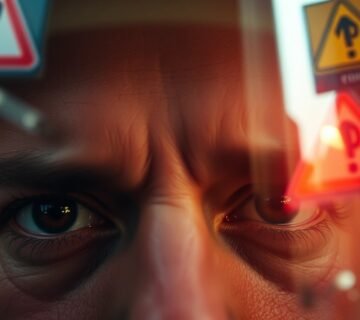

Gaze direction holds a fascinating power in the realm of algorithmic assessments. It’s not just about where we look; it’s about what those looks mean. Our visual focus can shape perceptions and influence decisions, especially in digital environments. Have you ever noticed how your attention shifts when something catches your eye? This simple act can trigger a cascade of psychological responses that algorithms are increasingly designed to recognize and respond to.
When we consider the intersection of algorithms and gaze direction, we see a complex relationship. Algorithms often rely on visual data to make decisions. For instance, in marketing, understanding where a user looks can help tailor advertisements to their interests. But it goes deeper than that. The way we perceive faces, known as fizyonomi or fizyognomi, can also impact how algorithms interpret our responses. A yüz okuma uzmanı might argue that our reactions to visual stimuli are not purely instinctual; they are influenced by our past experiences, biases, and even cultural backgrounds.
So, what are the psychological effects of gaze direction? When we focus on a particular element, our judgment can shift dramatically. This can lead to biases that are not just personal but can also be integrated into algorithmic models. For example, if a user consistently gazes at certain types of content, algorithms may prioritize that content, reinforcing existing preferences and potentially limiting exposure to diverse perspectives. It’s a cycle that can create echo chambers, where only familiar ideas are presented.
Moreover, the rise of eye-tracking technologies has made it possible to analyze gaze direction in real-time. These tools can provide insights into how users interact with digital interfaces. Imagine a scenario where a profil tanımlama uzmanı uses eye-tracking data to enhance user experience. By understanding which elements draw attention, designers can create more engaging and effective interfaces.
In practical applications, the implications of gaze direction are vast. From marketing strategies to user experience design, understanding how visual focus affects algorithmic evaluations can lead to more informed decisions. Here are a few areas where these insights can be particularly beneficial:
- Marketing: Tailoring advertisements based on where users look.
- User Experience Design: Creating interfaces that guide attention effectively.
- Artificial Intelligence: Enhancing algorithms with psychological insights for better outcomes.
In conclusion, the psychological implications of gaze direction in algorithmic assessments are profound. As we continue to explore this field, the importance of understanding human perception becomes ever clearer. By integrating knowledge from yüz okuma eğitimi and other related fields, we can refine our approaches to technology, ensuring that algorithms not only serve us but also respect the complexities of human psychology.
Algoritmalar ve Göz Teması
Göz teması, algoritmaların işleyişinde önemli bir rol oynar. İnsanların göz hareketleri, karar verme süreçlerini etkileyebilir. Dikkat ve odaklanma, algoritmaların sonuçlarını doğrudan etkileyebilir. Örneğin, bir web sitesinde kullanıcıların gözleri belirli alanlara yöneldiğinde, algoritmalar bu etkileşimleri analiz eder. Bu, hangi içeriklerin daha fazla ilgi çektiğini anlamak için kritik bir veridir.
Algoritmalar, kullanıcının dikkatini çeken unsurları belirleyerek, daha etkili bir profil tanımlama süreci oluşturabilir. Bu, özellikle pazarlama ve kullanıcı deneyimi tasarımı gibi alanlarda önemlidir. Göz hareketlerinin analizi, kullanıcıların hangi ürünlere veya içeriklere daha fazla ilgi gösterdiğini ortaya çıkarabilir. Bu bilgiler, algoritmaların daha iyi sonuçlar vermesine yardımcı olur.
Göz takibi teknolojileri, bu sürecin en önemli bileşenlerinden biridir. Bu teknolojiler, kullanıcının göz hareketlerini gerçek zamanlı olarak izler. Böylece, göz teması ve algoritmalar arasındaki ilişkiyi daha iyi anlamamıza olanak tanır. Kullanıcıların hangi bölgelere odaklandığını görmek, algoritmaların optimize edilmesine yardımcı olabilir.
Örneğin, bir yüz okuma uzmanı, insanların göz hareketlerini analiz ederek, onların duygusal durumlarını değerlendirebilir. Bu tür bir analiz, algoritmaların daha insana yakın sonuçlar vermesine katkıda bulunur. Göz teması, sadece yüz okuma değil, aynı zamanda fizyonomi gibi alanlarda da önemli bir rol oynar. Göz hareketleri, insanların ruh hallerini ve düşüncelerini yansıtabilir.
Psikolojik Etkiler
Gaze direction plays a crucial role in shaping our perceptions. When we focus our eyes on something, it’s not just about what we see; it’s about how we interpret it. This is especially true in the realm of profil tanımlama and yüz okuma. Studies show that our attention can sway our judgments. For example, if we’re looking at a product, the features that catch our eye may seem more important than they really are. This can lead to biases in decision-making. Isn’t that fascinating?
Imagine you’re shopping online. You see a flashy advertisement. Your gaze locks onto it. Suddenly, that product seems like a must-have. This is the psychological effect of gaze direction at play. It’s like a spotlight that highlights certain features while dimming others. In this way, visual focus can distort reality. It’s not just about what you see; it’s about how you feel about what you see.
Moreover, research indicates that people often misjudge others based on where they direct their gaze. For instance, if someone avoids eye contact, we might assume they are disinterested or dishonest. This is where fizyonomi comes into play. The study of facial expressions and body language can reveal much about a person’s thoughts and emotions. However, relying solely on gaze can lead to misconceptions. Our brains are wired to interpret visual cues quickly, often jumping to conclusions without sufficient evidence.
In algorithmic contexts, these psychological effects can significantly impact outcomes. Algorithms that analyze gaze direction must account for these biases. They need to be designed to understand that a fleeting glance doesn’t always indicate preference. It’s essential to consider the broader context. For example, in user experience design, understanding how users interact with visual elements can help create more engaging interfaces.
In summary, the psychological implications of gaze direction are profound. They affect how we perceive products, people, and even situations. By understanding these effects, we can better navigate our digital environments and make more informed decisions. Whether it’s through yüz analizi eğitimi or the study of fizyognomi, we can enhance our understanding of human behavior.
Göz Takibi Teknolojileri
Göz takibi teknolojileri, insanların göz hareketlerini izleyerek, dikkat ve odaklanma noktalarını belirlemeye yardımcı olur. Bu teknolojiler, algoritmik değerlendirmelerde önemli bir rol oynamaktadır. Örneğin, bir web sitesini ziyaret ettiğinizde, göz takibi teknolojileri, hangi bölümlerin daha fazla ilgi çektiğini gösterir. Bu bilgiler, kullanıcı deneyimini geliştirmek için kullanılabilir. Ancak, bu araçların sadece etkileşimleri ölçmekle kalmayıp, aynı zamanda profil tanımlama süreçlerinde de etkili olduğunu unutmamak gerekir.
Göz takibi, fizyonomi ve yüz analizi gibi alanlarda da sıkça kullanılmaktadır. Bu teknolojiler, bireylerin yüz ifadelerini analiz ederek, duygusal durumlarını anlamaya yardımcı olur. Fizyognomi uzmanları, bu tür verileri kullanarak, insanların ruh hallerini ve kişilik özelliklerini değerlendirebilir. Göz takibi, aynı zamanda yüz okuma eğitimi gibi eğitim programlarında da önemli bir yer tutar. Bu eğitimler, bireylerin göz hareketlerini ve yüz ifadelerini daha iyi anlamalarına yardımcı olur.
Göz takibi teknolojilerinin kullanım alanları oldukça geniştir. Örneğin:
- Pazarlama: Reklamların ve ürünlerin hangi kısımlarının daha fazla dikkat çektiğini analiz eder.
- Kullanıcı Deneyimi Tasarımı: Web siteleri ve uygulamalardaki kullanıcı davranışlarını değerlendirir.
- Yüz Okuma: İnsanların yüz ifadelerini ve göz hareketlerini analiz ederek, psikolojik durumlarını anlamaya çalışır.
Sonuç olarak, göz takibi teknolojileri, algoritmik değerlendirmelerde kritik bir araçtır. Bu teknolojilerin sağladığı veriler, sadece kullanıcı deneyimini değil, aynı zamanda insanların psikolojik durumlarını ve davranışlarını da anlamamıza yardımcı olur. Bu nedenle, göz takibi alanında eğitim ve uzmanlık kazanmak, fizyonomi uzmanı olmak isteyenler için oldukça faydalıdır.
Uygulama Alanları
Gaze direction analysis is not just a fascinating concept; it has real-world applications that can significantly impact various fields. For instance, in marketing, understanding where a consumer’s gaze lands can help brands tailor their advertisements. Imagine a billboard that captures attention right where it matters most. This is where the expertise of a profil tanımlama uzmanı comes in. By analyzing gaze patterns, companies can create more effective campaigns, enhancing customer engagement.
Similarly, in the realm of user experience design, gaze tracking technologies are employed to assess how users interact with digital interfaces. By monitoring where users look, designers can identify confusing elements and streamline navigation. This can lead to more intuitive websites and applications, ultimately improving user satisfaction. A well-designed interface is like a well-organized room; it invites exploration and makes the experience enjoyable.
In the field of artificial intelligence, gaze direction can inform algorithms about user intent. For instance, if an AI system understands where a user is looking, it can predict their next action. This is particularly useful in virtual reality environments, where gaze can be a primary input method. The potential for enhancing user interaction through gaze analysis is immense.
Moreover, yüz okuma (facial reading) techniques can be integrated into these applications. By training professionals in yüz okuma eğitimi, organizations can better understand emotional responses and refine their strategies accordingly. The intersection of psychology and technology is paving the way for innovative solutions.
In summary, the implications of gaze direction reach far and wide. From marketing to user experience design, and even artificial intelligence, understanding where people focus their attention can lead to smarter decision-making. As we continue to explore these applications, the role of a fizyognomist will become increasingly vital. The future is bright, and the potential is limitless.