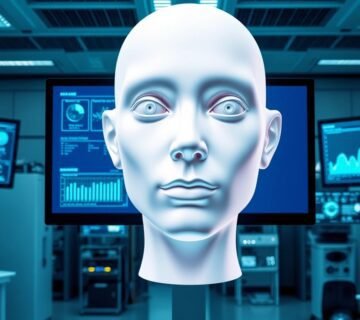

Yanak bölgesindeki gerginlik, yüz okuma ve profil tanımlama süreçlerinde önemli bir rol oynar. Gerginlik, yüz ifadelerini etkileyerek, algoritmaların duygusal durumu doğru bir şekilde analiz etmesini zorlaştırabilir. Yüz okuma uzmanları, bu gerginliğin nedenlerini ve sonuçlarını anlamak için derinlemesine çalışmalar yapar. Gergin bir yüz ifadesi, stres, kaygı veya başka bir duygusal durumu yansıtabilir. Bu nedenle, algoritmaların bu gerginlikleri değerlendirirken dikkatli olması gerekir.
Fizyolojik etkiler açısından, yanak bölgesindeki gerginlik, kasların gerilmesine neden olur. Bu da yüzün genel görünümünü etkiler. Algoritmalar, bu değişiklikleri analiz ederken, yüz kaslarının hareketlerini ve ifadelerini dikkate alır. Örneğin, bir kişi gergin olduğunda, yanaklar yukarı doğru çekilir ve bu durum yüzün diğer bölümlerini de etkileyebilir.
Pskolojik boyutlar da göz önünde bulundurulmalıdır. Stres ve kaygı gibi duygular, yanak bölgesindeki gerginliği artırabilir. Bu durum, algoritmaların değerlendirmelerini etkileyerek yanlış sonuçlar doğurabilir. Örneğin, bir kişi stresli olduğunda, algoritma bu durumu yanlış bir şekilde olumsuz bir duygu olarak algılayabilir.
Algoritmik yöntemler, bu tür gerginlikleri değerlendirmek için çeşitli teknolojiler kullanır. Yüz analizi eğitimi alan uzmanlar, bu teknolojilerin nasıl çalıştığını ve gerginlikleri nasıl tespit ettiğini anlamak için sürekli olarak eğitim alırlar. Örneğin, yüz tanıma algoritmaları, yüz ifadelerini analiz ederken, yanaklardaki gerginliği dikkate alır. Bu, algoritmaların daha doğru sonuçlar vermesine yardımcı olabilir.
Gelecekteki araştırmalar, bu konunun daha derinlemesine anlaşılmasına katkıda bulunabilir. Özellikle, yüz okuma ve profil tanımlama alanlarında yapılacak yeni çalışmalar, algoritmaların gerginliği daha iyi değerlendirmesine olanak tanıyabilir. Sonuç olarak, yanak bölgesindeki gerginliğin anlaşılması, hem psikolojik hem de teknolojik anlamda önemli bir adımdır.
Fizyolojik Etkiler
Tension in the cheek region can have profound physiological effects on our facial expressions. When we experience stress or anxiety, the muscles in our cheeks tighten. This tightening can alter how we express emotions, making it harder for algorithms to accurately interpret what we feel. For example, a subtle smile might turn into a grimace, confusing the technology designed to read our emotions.
Facial recognition technology relies heavily on these expressions. Algorithms analyze various facial features to determine emotional states. If tension distorts these features, the accuracy of emotion recognition can suffer. This is why understanding the physiological effects of cheek tension is crucial for improving algorithmic assessments in facial analysis.
The relationship between facial tension and emotional expression can be summarized as follows:
| Facial Expression | Impact of Tension |
|---|---|
| Smile | Tension may reduce the genuineness of the smile. |
| Frown | Increased tension can exaggerate frowning. |
| Neutral | Tension may create an unreadable expression. |
Recognizing these changes is vital for yüz okuma uzmanı and profil tanımlama uzmanı alike. They must consider how physiological factors influence facial recognition. By doing so, they can enhance their training and improve their assessments. This understanding can also benefit those interested in facial analysis training, as it provides a deeper insight into how our emotions are displayed.
In conclusion, the physiological effects of tension in the cheek region play a critical role in facial expression and emotion recognition. By grasping these effects, we can enhance the effectiveness of algorithms and improve our understanding of human emotions.
Pskolojik Boyutlar
The connection between facial tension and psychological states is profound. When we experience stress or anxiety, our body reacts in ways that are often subtle yet impactful. For instance, have you ever noticed how your cheeks feel tight when you’re nervous? This tension can change our facial expressions, making it harder for algorithms to accurately assess our emotions.
Imagine walking into a room full of people. Your heart races, and you might feel your cheeks clench. These physical responses are not just random; they are signals that our brain sends out. Algorithms designed for emotion recognition rely heavily on these cues. If the algorithms misinterpret the tension in your cheeks as anger instead of anxiety, the outcome can be misleading.
Furthermore, the psychological aspects of facial tension can lead to a cycle of miscommunication. For example:
- Stress can cause facial tightness.
- Tightness can lead to misinterpretation of emotions.
- Misinterpretation can escalate stress levels.
This loop can affect not only personal interactions but also professional evaluations, especially in fields like therapy and counseling. Understanding these dynamics is crucial. It opens doors for better training in profil tanımlama and fizyonomi, allowing specialists to interpret emotions with greater accuracy.
In conclusion, acknowledging how psychological factors influence facial tension is essential for both mental health assessments and algorithmic evaluations. The more we understand these connections, the better equipped we become to interpret emotions accurately, paving the way for future innovations in both psychology and technology.
Algoritmik Yöntemler
When it comes to understanding facial tension, algorithms play a crucial role. They help analyze subtle changes in our facial expressions, especially in the cheek region. Why is this important? Well, our faces tell stories. They reveal emotions that words sometimes can’t express. Think about it—when you’re happy, sad, or stressed, your cheeks react. This reaction is where algorithms step in.
Various algorithmic methods are employed to assess these emotional cues. For instance, facial reading techniques are at the forefront. These methods can identify emotions by analyzing muscle movements and tension levels. This is particularly useful for profile identification, where understanding a person’s emotional state can provide deeper insights.
Here’s how it works:
- Data Collection: Cameras capture facial expressions in real-time.
- Analysis: Algorithms process these images, focusing on tension in the cheeks.
- Emotion Recognition: The system identifies emotions based on established patterns.
Technologies like machine learning and computer vision are integral to this process. They adapt to the unique facial features of individuals, improving accuracy. However, it’s not just about technology. Understanding the physiological and psychological aspects of facial expressions is vital. For example, a person under stress may show different cheek tension than when they are relaxed. This variability can skew results if not accounted for.
Moreover, the field of fiziyonomi is evolving. Experts, known as fizyognomists, are increasingly integrating algorithmic assessments into their practices. This blend of technology and human insight enriches the understanding of emotional expressions.
In conclusion, the future of algorithmic methods in analyzing facial tension is bright. As research continues, we can expect even more sophisticated tools that enhance our ability to interpret emotions accurately. The journey is just beginning, and the implications for fields like psychology and artificial intelligence are immense.
Gelecekteki Araştırmalar
Gelecekteki araştırmalar, yüz okuma ve profil tanımlama alanlarında önemli gelişmelere zemin hazırlayabilir. Bu araştırmalar, fizyonomi ve fizyognomi konularında daha derinlemesine anlayışlar sunabilir. Özellikle, algoritmaların yüz analizi yapabilme yetenekleri, insan duygularını daha doğru bir şekilde değerlendirmeye yardımcı olabilir. İnsanların yüz ifadeleri, yalnızca duygularını değil, aynı zamanda psikolojik durumlarını da yansıtır. Dolayısıyla, bu alanda yapılacak çalışmalar, ruh sağlığı değerlendirmeleri için yeni kapılar açabilir.
Önerilen araştırma yönleri arasında şunlar yer alıyor:
- Yüz Tansiyonu Analizi: Yüzdeki gerginliğin, duygusal durumlarla ilişkisini incelemek.
- Algoritma Geliştirme: Daha hassas yüz okuma algoritmalarının geliştirilmesi.
- Psikolojik Etkiler: Yüz ifadeleri ile psikolojik durumlar arasındaki bağlantıyı araştırmak.
Bu araştırmaların sonuçları, yüz analizi eğitimi ve profil tanımlama eğitimi gibi alanlarda eğitim programlarını da geliştirebilir. Eğitimciler, bu yeni bilgileri kullanarak daha etkili ve güncel eğitim içerikleri oluşturabilirler. Böylece, yüz okuma uzmanları ve profil tanımlama uzmanları, daha etkili bir şekilde çalışabilirler.
Sonuç olarak, gelecekteki araştırmalar, hem teknolojik hem de psikolojik boyutlarıyla insan yüzünün gerginliğini anlamak için kritik bir rol oynayacaktır. Bu alandaki ilerlemeler, sadece bilimsel merakımızı tatmin etmekle kalmayacak, aynı zamanda toplum sağlığına katkıda bulunacaktır.